Devices

Making disease easier to spot, diagnose, and manage.

The Mosaic Sensor platform can bring imaging-level insights into primary care, and even earlier. Across all domains of health.

Cardiac
Signals

Neural
Activity

Muscle
Function

Gut
Electrophysiology

Autonomic
Control

Oncological
Signatures

Our first device

SwiftStage: Veterinary Cardiovascular Staging in Primary Care

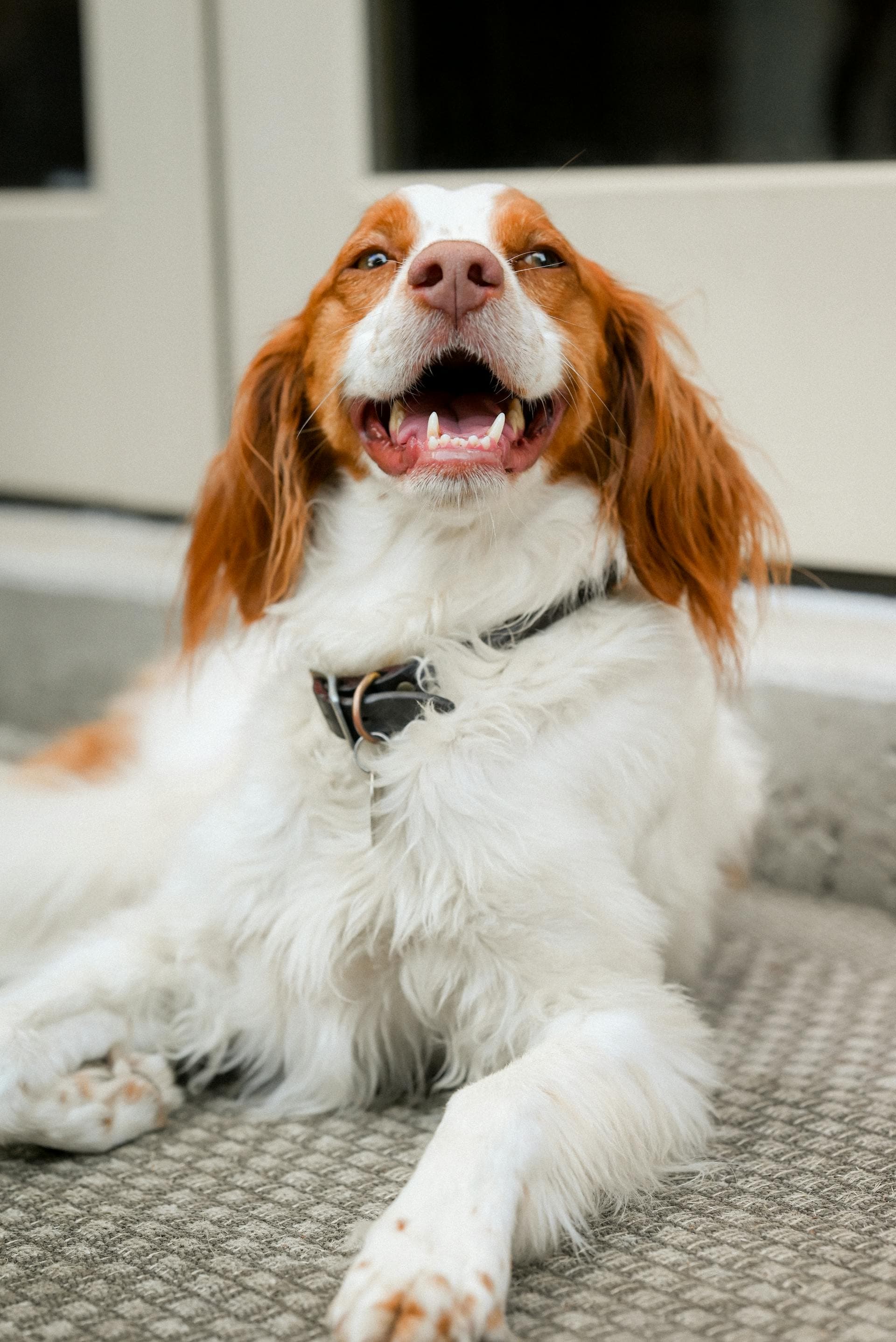
Dog patient receiving a Polytecks point-of-care measurement

Our first device is designed for veterinary cardiovascular staging at the point of care, where early and accurate classification determines whether a dog should be monitored, referred, or treated.

In canine heart disease this decision often depends on referral imaging: costly, capacity-limited, and not always immediately accessible in primary care.

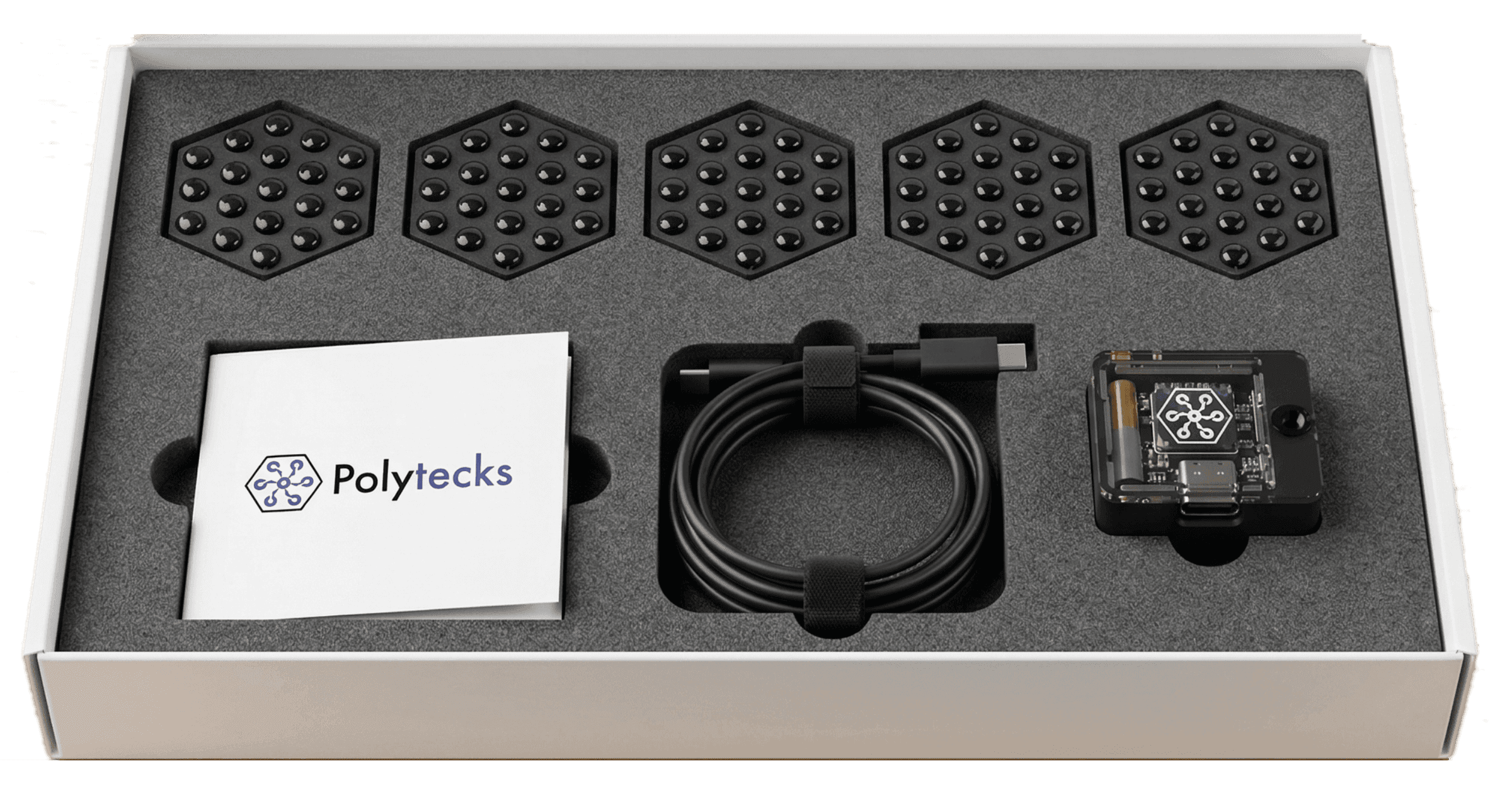
Polytecks enables a short, non-invasive measurement to be taken directly in the clinic, capturing spatial patterns of cardiac bioelectrical activity that are not accessible through standard tools alone.

These signals are reconstructed into a structured output that supports earlier clinical decision-making, without requiring specialist imaging at the first step.

FormatNon-invasive
Measurement time~2 min
SettingPoint of care
Trial ongoingActive in-clinic study with first-opinion veterinary partners.
Follow updates
Future indications

The same platform, applied across adjacent areas of health.

A look at the directions we are exploring beyond the first device — across cardiology, neurophysiology, and other domains where high-resolution surface electrophysiology can change what is possible at the point of care.

Arrhythmia Mapping

Cardiac · spatial reconstruction

Detecting arrhythmias often requires extended monitoring or specialist investigation. Polytecks enables high-resolution reconstruction of how cardiac electrical activity propagates across the chest, supporting earlier and more accessible rhythm assessment.

Fetal Monitoring

Continuous · maternal abdomen

Monitoring fetal health is limited by access, intermittency, and the difficulty of separating maternal and fetal signals. Polytecks supports continuous, non-invasive abdominal measurement for earlier and more longitudinal insight during pregnancy.

Neuromuscular & Autonomic

Surface electrophysiology · longitudinal

Many disorders of the nervous system and muscles are difficult to quantify outside specialist settings. Polytecks opens a path to higher-resolution surface electrophysiology for monitoring neuromuscular and autonomic function over time.

EEG Research

Neural · high-density acquisition

Current EEG workflows can be cumbersome, sparse, or difficult to scale outside dedicated environments. Polytecks offers a route toward more flexible, high-density neural signal capture for research settings.

GI Disease Diagnostics & Monitoring

Gastrointestinal · functional measurement

Many gastrointestinal disorders lack simple tools for functional measurement over time. Polytecks could support new approaches to capturing electrophysiological signatures linked to GI disease and motility.

Prosthetic Control

Human-machine interface

Advanced prosthetic control depends on reliable acquisition of muscular and neural intent. Polytecks could help capture richer surface bioelectrical data to support more responsive human-machine interfaces.

Cancer Screening

Bioelectrical signatures · early signal

Certain cancers may present measurable bioelectrical signatures before symptoms become obvious. Polytecks is exploring how high-resolution sensing may contribute to new non-invasive screening approaches.

Epilepsy Monitoring

Neural · continuous, episodic capture

Epileptic activity can be episodic and difficult to characterise in everyday settings. Polytecks could support more continuous and accessible monitoring of neural activity over time.

And many more, across cardiology, neurophysiology, autonomic systems, and musculoskeletal health.

Partner with us on what comes next.

We work with clinicians, research groups, and institutions exploring high-resolution surface electrophysiology in their own area of practice.